About the Programe
LAWGID offers an advanced education at the intersection of law, gender studies, human rights, public policy and social justice. The programme equips students with the analytical, legal and methodological skills necessary to address structural inequalities and discrimination in national, European and international contexts.
The programme is designed for students seeking careers in:
- international and European institutions,
- public administration and policy-making,
- academia and research,
- civil society and human rights organizations,
- legal practice with a focus on equality and diversity.
Joint Programme & Mobility
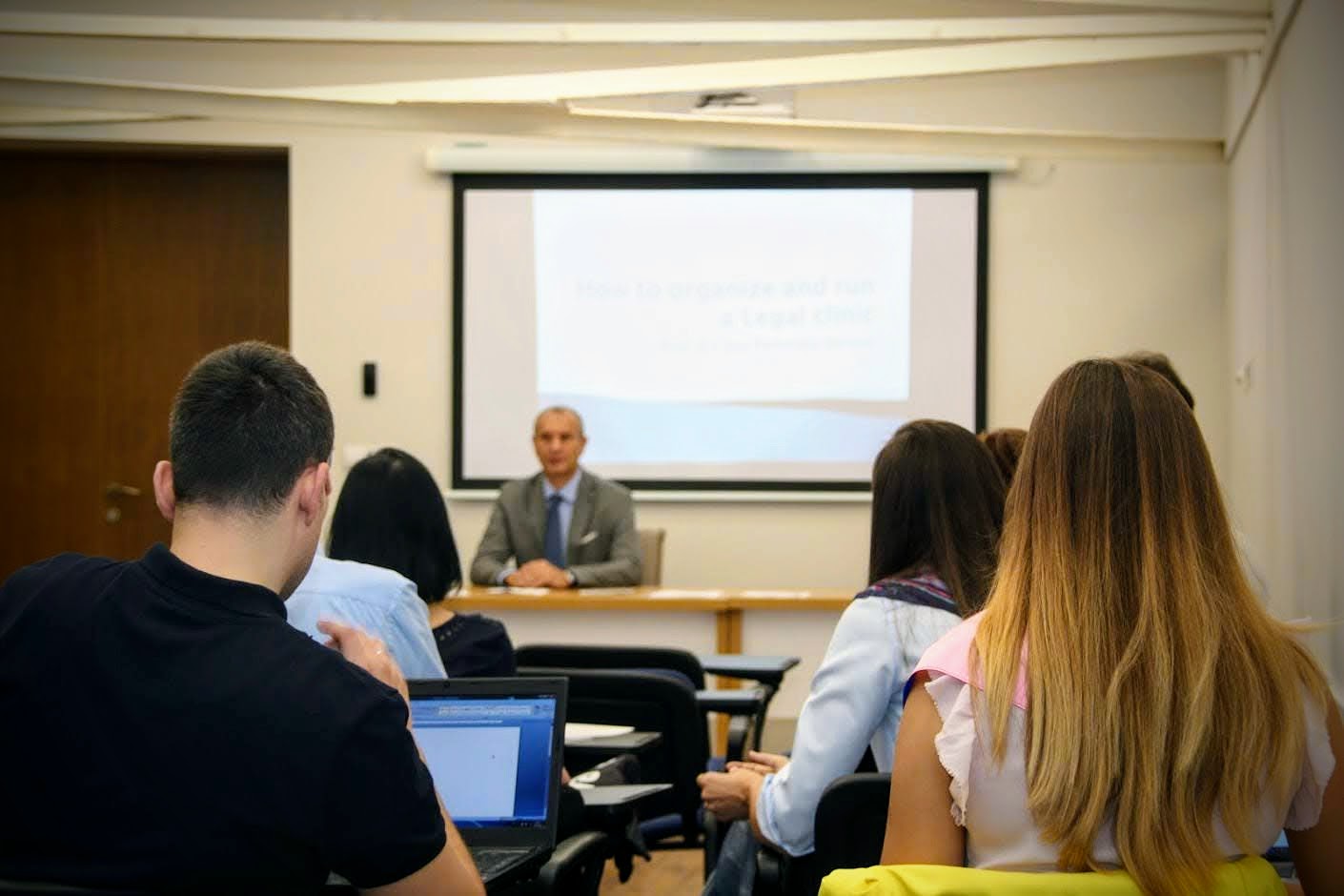
Students study at all three partner universities during the programme. This structure ensures academic diversity, comparative perspectives and full recognition of study periods.
1st semester – University of Belgrade
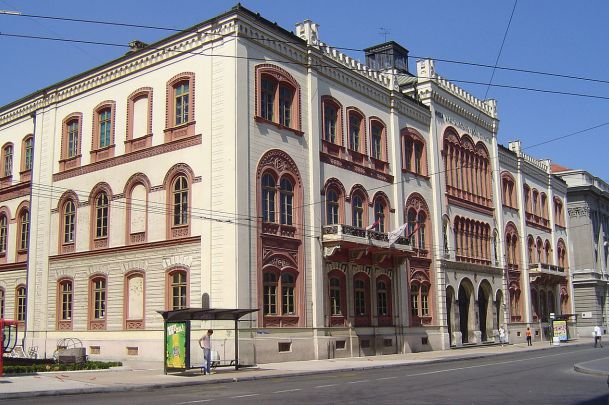
University of Belgrade – Faculty of Law (Serbia)
The Faculty of Law, established in 1808 as part of the University of Belgrade, is one of the largest law schools in the region, with a long tradition of being in the forefront of the country’s legal education. The Faculty has always rallied distinguished scholars and excellent lecturers. Since its founding, it has educated almost 64,000 law graduates, around 1,300 magistri iuris and 1,264 doctores iuris, as well as hundreds of specialists in various areas.
2nd semester – LUMSA University

Libera Università Maria SS. Assunta – Department of Law, Economics and Communication (Italy)
Libera Università Maria SS. Assunta (LUMSA) is a highly ranked Italian Non – State University,principally located in Rome and Palermo, with over 8000 students (10% international)
3rd semester – Örebro University
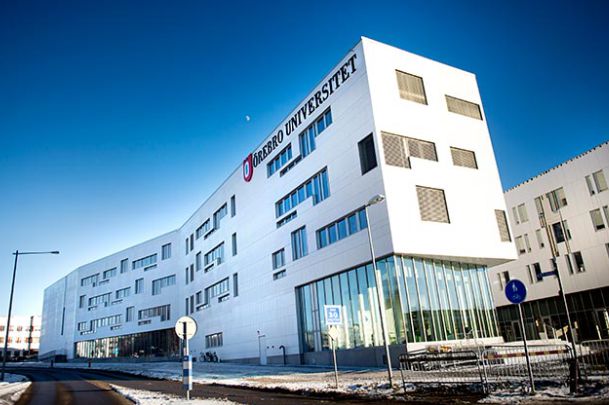
Örebro University – Faculty of Humanities and Social Sciences (Sweden)
Örebro University, established in 1999, is one of the fastest growing universities in Sweden, providing education and conducting research in humanities, law, social science, science, technology, medicine & healthcare, education, music and sport science.
Programme Structure
- Duration: 2 years (4 semesters)
- Credits: 120 ECTS (30 ECTS per semester)
- Courses in first three semesters:
- 9 mandatory courses (including Legal Clinic)
- 9 optional courses selected by students
- Final Semester: preparation, research, writing, and defence of the Master’s Thesis
Teaching is organised in intensive blocks combining lectures, seminars and practical work.
Multiple Diplomas
Graduates of the LAWGID programme receive multiple diplomas and diploma supplements, issued by all partner universities, fully covering the entire programme content. Academic titles are awarded in accordance with the national legal and higher education systems of each partner country.
Scholarships & Tuition
LAWGID programme offers Erasmus Mundus scholarships for excellent candidates from all over the world.
Each programme edition provides 12 or 13 EMJM scholarships (1400€/month for 24 months), covering the tuition fee and the costs of:
- travel,
- visa,
- installation,
- subsistence.
In addition, the programme is open to non-scholarship students enrolling with tuition fees under a joint tuition policy.
Who Should Apply?
LAWGID programme welcomes applicants with:
- Bachelor’s (180 or 240 ECTS) or Master’s (300 ECTS) degree,
- English proficiency: B2 certificate
Why Choose LAWGID?
Advanced education at the intersection of law, gender studies, human rights, public policy and social justice
Erasmus Mundus Joint Degree
Integrated mobility in three European countries
Interdisciplinary and comparative approach
Focus on gender equality and intersectionality
International academic staff
Multiple diplomas and full recognition
Coordinators
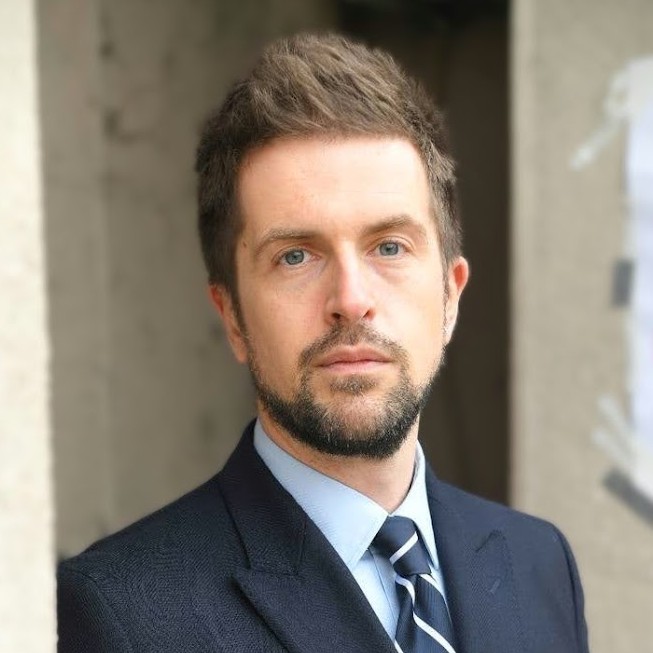
Prof. Dr. Bojan Spaić
BELGRADE
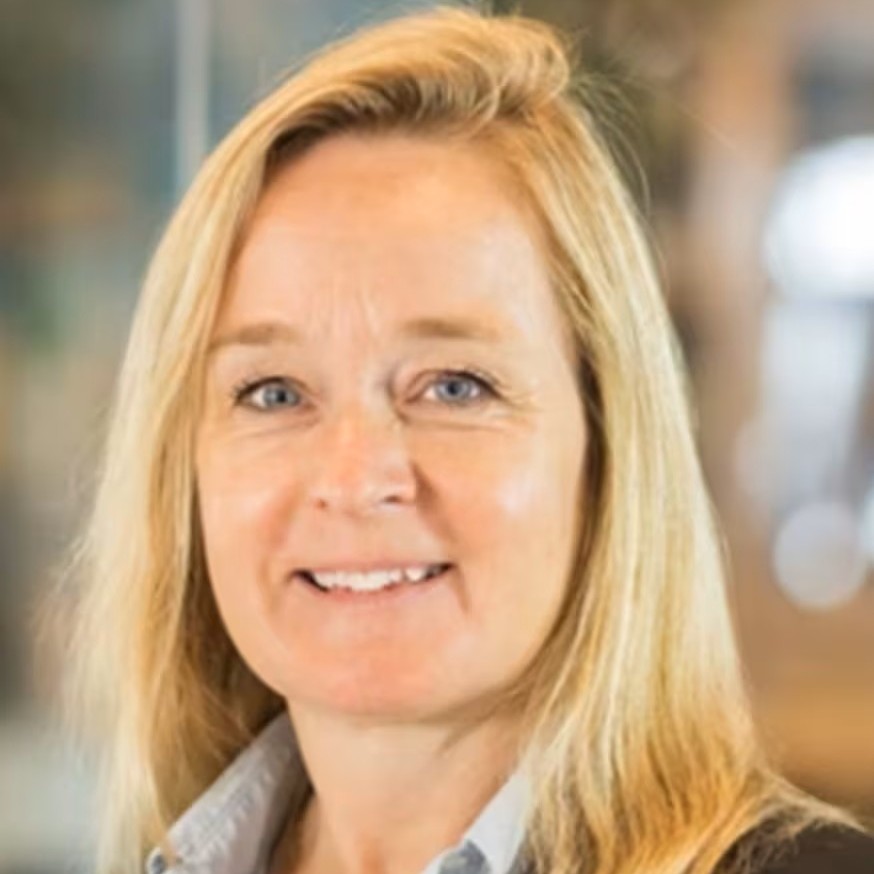
Prof. Dr. Eleonor Kristoffersson
Örebro
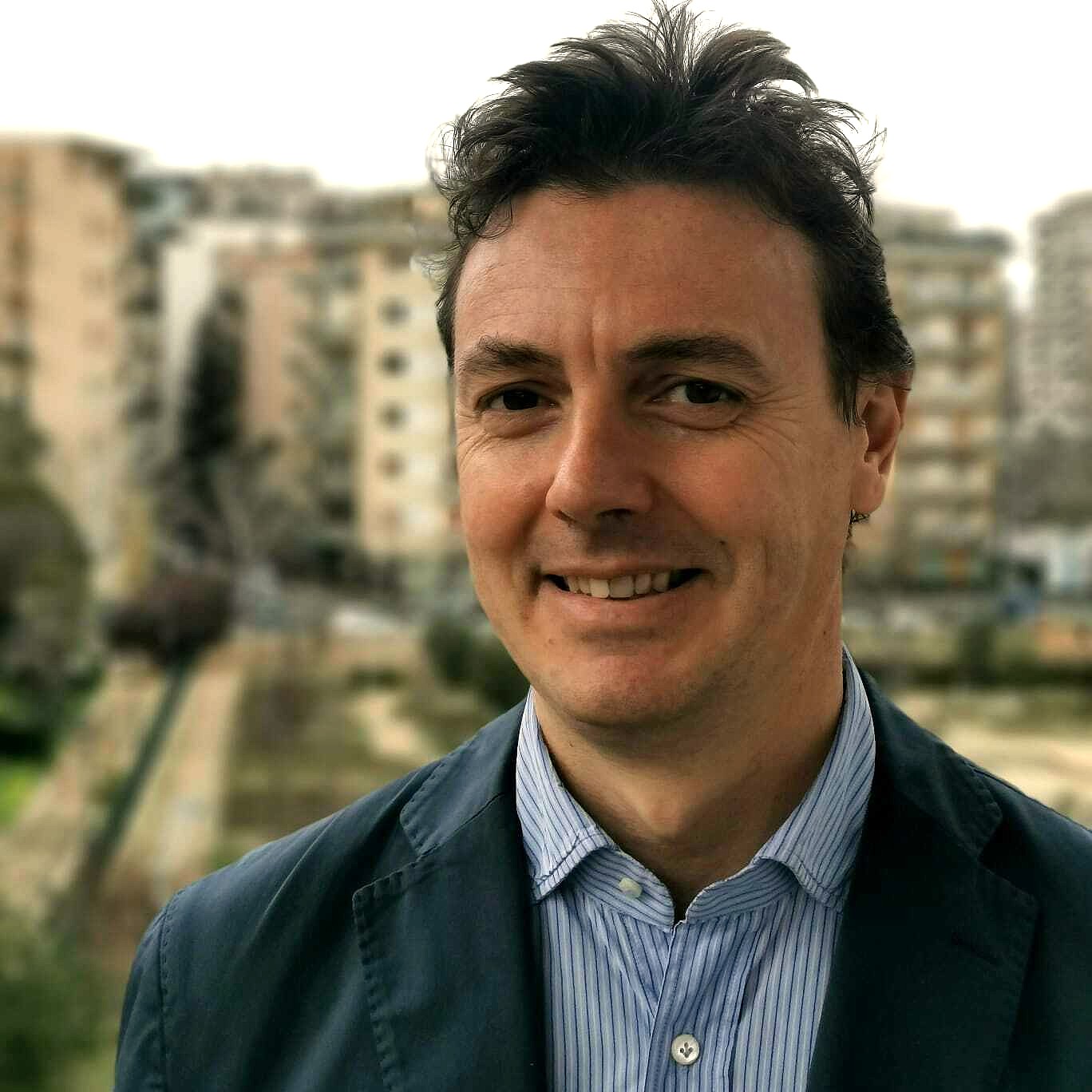
Prof. Dr. Marco Evola
PALERMO
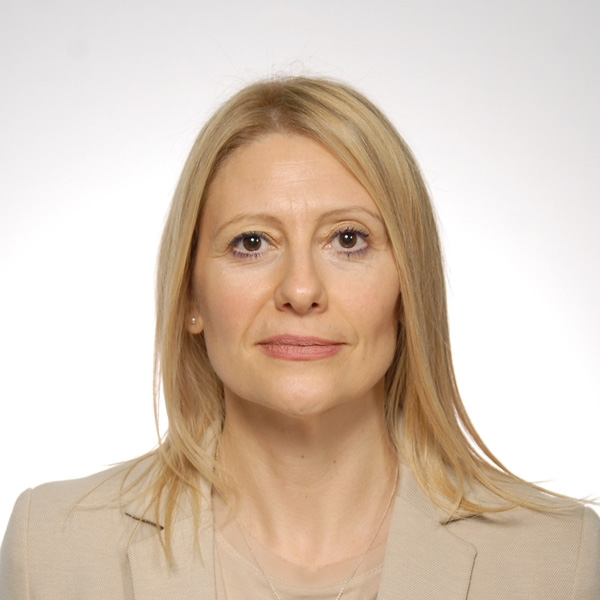
Prof. Dr. Ivana Krstić
BELGRADE
What are you waiting for?
Erasmus Mundus Joint Master program
Law and Gender, Intersectionality and Diversity (LAWGID)
Innovative – Diverse – International
Rethinking law from the perspective of substantive equality
Designed for judges, lawyers, public officials, policymakers, HR professionals, social care practitioners, journalists, NGO representatives, and academics
